
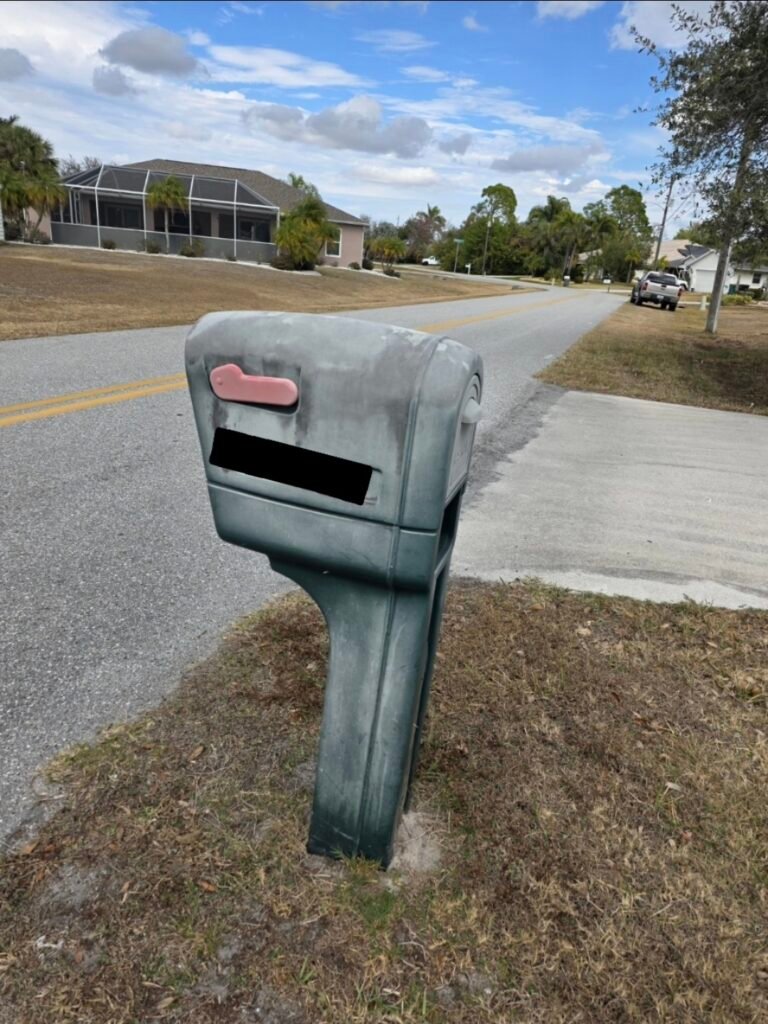
If your lawn is turning brown, your hedges look brittle, or your palms seem thinner than usual, you are not alone. Throughout late 2025 and early 2026, Sarasota, Florida has experienced an unusually dry and cooler stretch of weather. While winters in Sarasota are typically mild, extended periods of lower nighttime temperatures, dry air, strong winds, and minimal rainfall have created noticeable stress for lawns, trees, and tropical plants across Sarasota, Venice, and Lakewood Ranch. Many homeowners are now searching for answers about why their grass and landscaping suddenly look unhealthy.
One of the primary reasons Sarasota lawns are turning brown this winter is the combination of cold stress and dry soil conditions. When overnight temperatures dip into the 40s and 50s and humidity levels drop, common Florida grasses like St. Augustine begin to struggle. Unlike northern states where grass goes fully dormant, Sarasota lawns often remain semi-active year-round. When irrigation systems are reduced for winter but rainfall remains limited, soil moisture levels decline. Wind further accelerates evaporation, weakening shallow root systems and causing patchy turf, thinning grass, brittle texture, and slower recovery. What looks like simple dormancy can actually be dry weather lawn stress.
Trees and tropical plants are also showing visible signs of damage. Sarasota landscaping depends heavily on palms, ornamental shrubs, crotons, hibiscus, and other tropical species that are not designed for prolonged dry cold snaps. Even without frost, cool temperatures combined with wind exposure can cause leaf burn, browning tips, drooping palm fronds, premature leaf drop, and thinning hedges. Younger trees may even experience bark splitting when soil moisture drops and temperatures fluctuate. In many cases, the damage becomes more visible weeks after the initial stress occurs.
A hidden but significant issue during Sarasota’s dry winter weather is root dehydration. Reduced rainfall, lowered irrigation schedules, and persistent wind create dry soil beneath the surface. When roots lose moisture, plants cannot efficiently absorb nutrients. This weakens overall plant health and can lead to poor spring recovery, increased vulnerability to pests and disease, and even permanent turf loss in shallow-rooted areas. This is often why lawns and plants appear worse in February than they did earlier in the winter season.
There are steps homeowners in Sarasota can take to protect their lawns and plants between professional landscape services. First, inspect your irrigation system and ensure it is delivering adequate coverage. Even during winter, extended dry periods may require supplemental watering. Deep, infrequent watering is more effective than short surface cycles because it encourages stronger root growth. Second, avoid heavy fertilizing during cold stress. High-nitrogen fertilizers applied during cool, dry weather can further shock turf and plants. Third, carefully remove fully dead plant material while avoiding aggressive pruning. Major trimming during cold snaps can increase plant stress. Additionally, monitor high-traffic areas of your lawn, as compacted soil combined with dryness can accelerate decline. Protecting young trees and sensitive plants from wind exposure when possible can also reduce dehydration.
As we enter the warmer weather of March in Sarasota, lawns and tropical plants will begin transitioning out of winter stress. Rising overnight temperatures, increased humidity, and longer daylight hours naturally encourage recovery and new growth. Most lawns that are experiencing temporary stress — not permanent damage — will gradually green up over the coming weeks. This makes early March an ideal time to assess irrigation settings, remove winter damage, and prepare landscapes for the active spring growing season.
Dry winter weather in Sarasota is temporary, but its effects can linger if not addressed properly. Adjusting irrigation, protecting root health, and monitoring plant stress now can make a significant difference in how your property rebounds heading into spring and hurricane season. For homeowners and HOA communities in Sarasota, Venice, and Lakewood Ranch experiencing lawn stress, tree decline, or plant damage, proactive maintenance and professional guidance can help restore a healthier, greener landscape as we move fully into spring.